CDC Project
#Research through Design



Speculative Design has been considered the media of leading society, politics, ethics, and culture toward innovation. Through the construction of a fictional world and artifacts, it is expected to provoke discussion and reflections around people. However, most speculative designs or artworks don’t work, it’s hard for people to comprehend or relate to. Hence, this study aims to construct speculative-oriented probes to create empirical speculation, not only collecting the perspectives of people about the topic but also keeps developing the multiple possibilities of the fictional world. This study conducts two cultural probes for collecting empirical “glimpses” from participants and makes those probe returns to the final present, VR speculative design, by analyzing the information in a non-systematic way. The process went from the “redefinition of the Cultural Probe”, “speculative-oriented probe design”, and “encoding and construction of probe returns”, to “AI-lead words to images”. Last but not least, this study integrates all the research insights into a VR interactive design and discusses the results through the participants’ interviews. This study makes two contributions to design research: (1) Develop a unique method and context of creating speculative design with Cultural Probe. (2) Resonate with viewers and make more connections of speculative design by the sensory immersive interactive design.
Speculative design is a field that looks to the future and aims to use design to improve culture. The designed objects are meant to start discussions and make people think about making changes. However, many of these objects are hard to understand because the stories behind them are only explained in writing. This makes it hard for people to connect with the objects. To solve this, a study was conducted to create a way for people to understand speculative design better. The study used two tools: one, Cultural Probe, which looked at how individuals think about things differently, and another that used virtual reality to create a more immersive experience. The goal was to find a way to help people connect with speculative design objects through these tools.
1. Develop a unique method and context of creating speculative design with Cultural Probe.
2. Resonate with viewers and make more connections of speculative design by the sensory immersive interactive design.
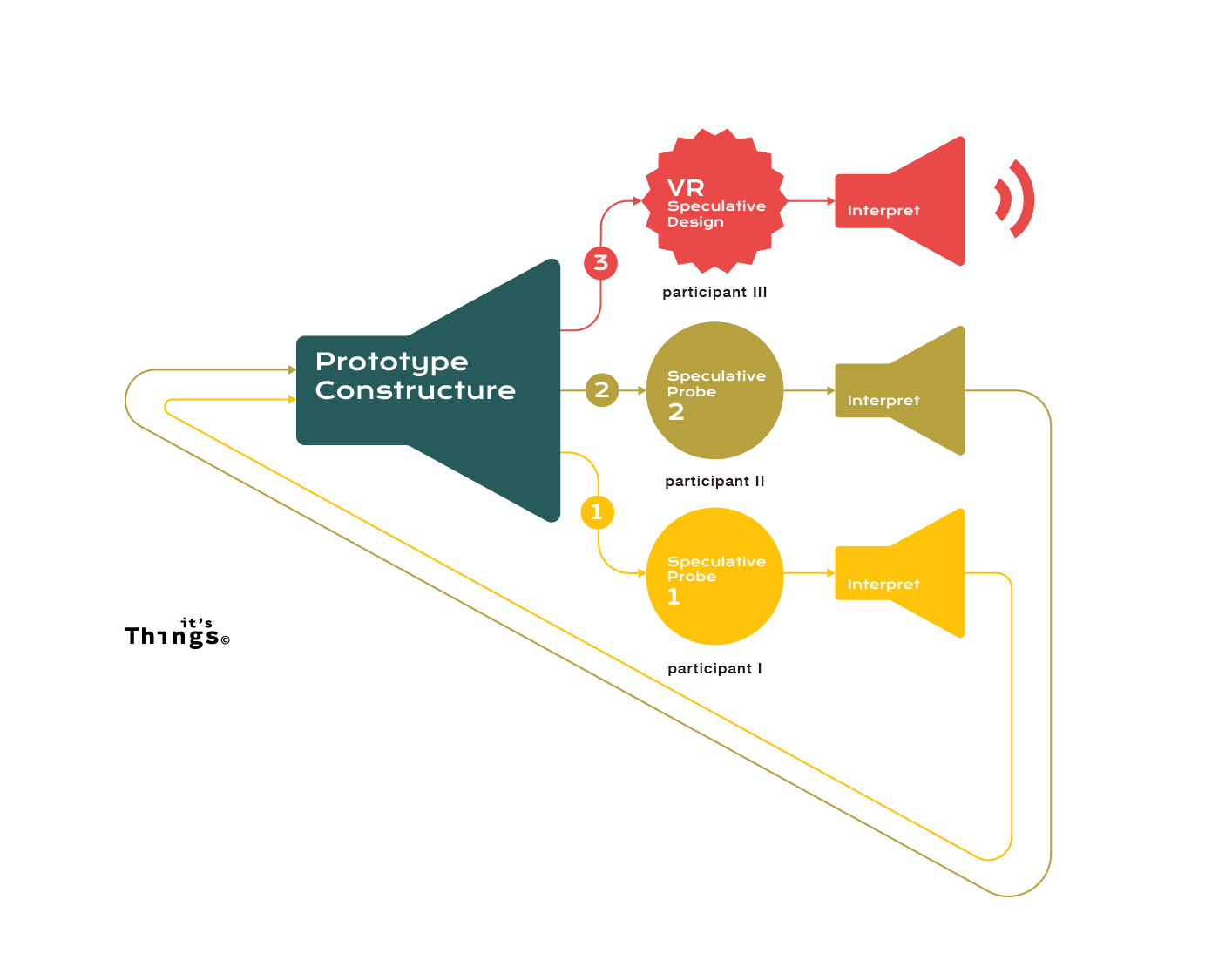
The study is divided into four parts. Firstly, a literature review examines the differences between related fields such as Speculation, Design fiction, and Criticism. It also explores how these two tools Cultural Probes and Virtual Reality can be used. Secondly, cultural probes are conducted to collect data. Thirdly, Virtual Reality is used to turn the collected data into a Speculative Design that can be experienced. Finally, the effectiveness of the research is evaluated using interviews, and the future of experiential Speculative Design is discussed.
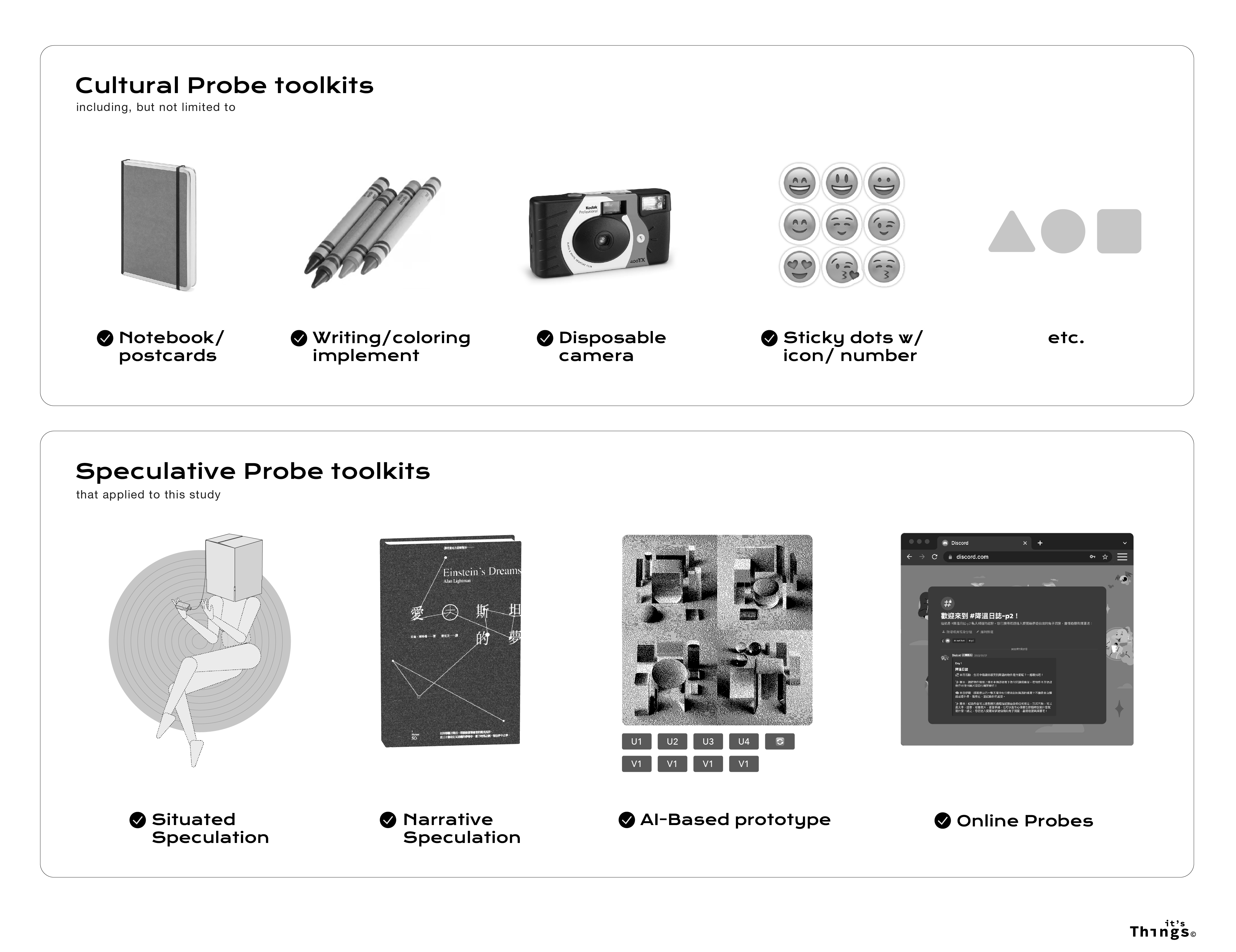
In general, this study involved creating a VR interactive experience design by integrating inspirational information gathered through two probes. The final VR speculative design output was developed after two rounds of speculative probe design and data interpretation. In this study, "Speculative Probes' refers to cultural probes with speculative meanings.
The first probe focused on personal life issues such as aging, sickness, and death. Two speculative probes - the situational probe and the text probe - were designed to arouse participants to consider it from different perspectives by writing the diary. The experiment lasted for four days, with each day focusing on one of the four themes of birth, old age, sickness, and death
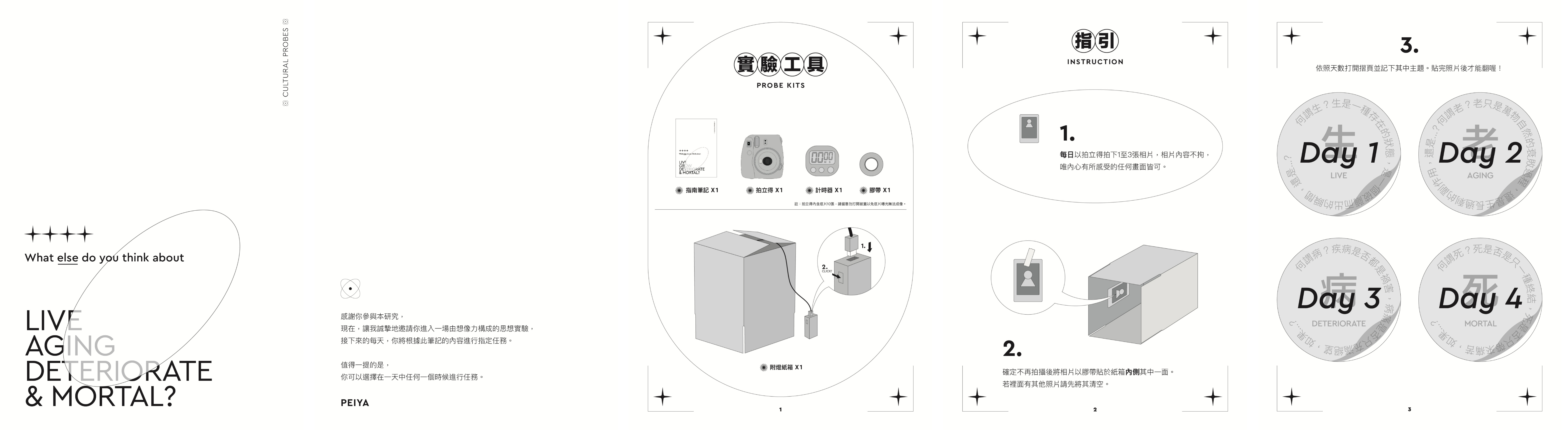
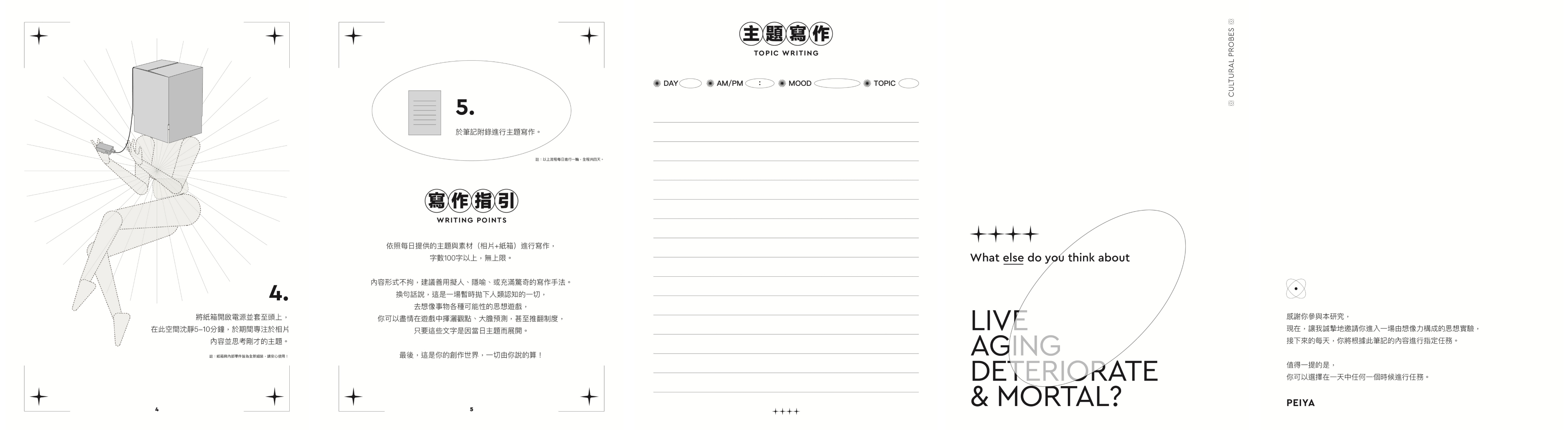
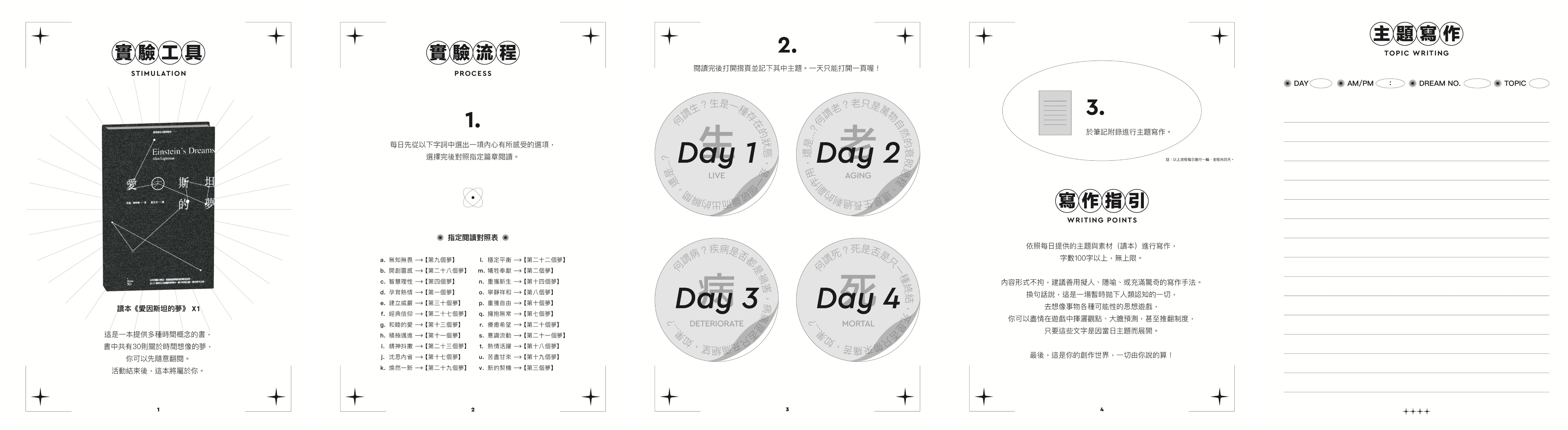


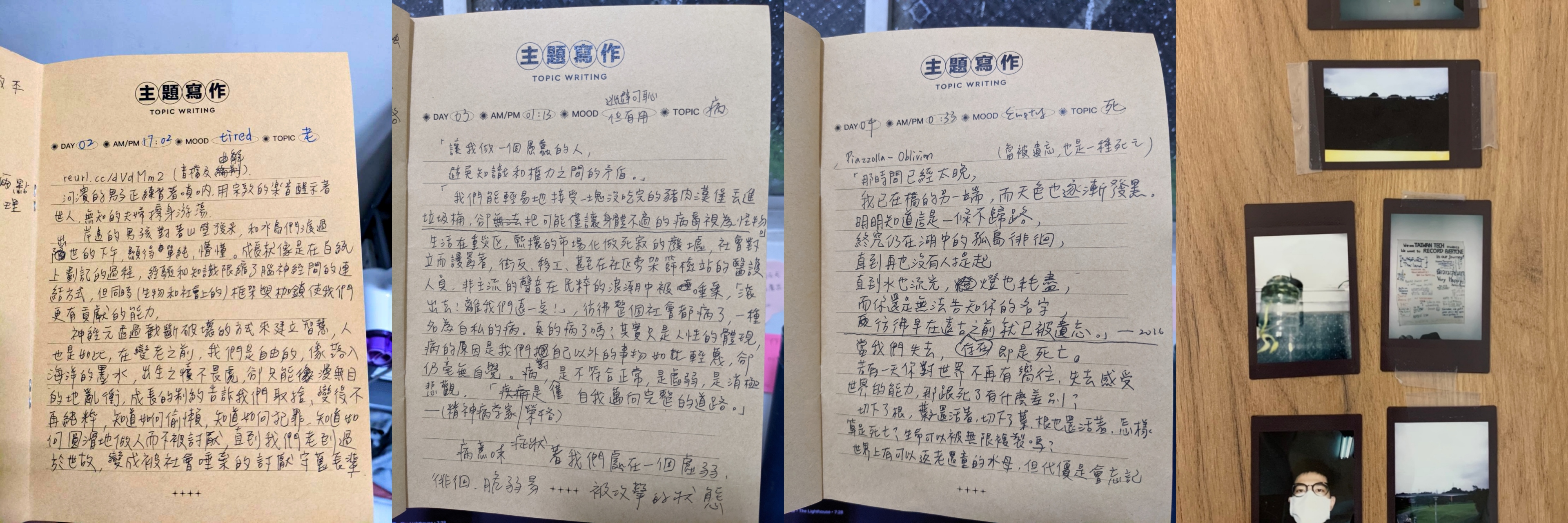
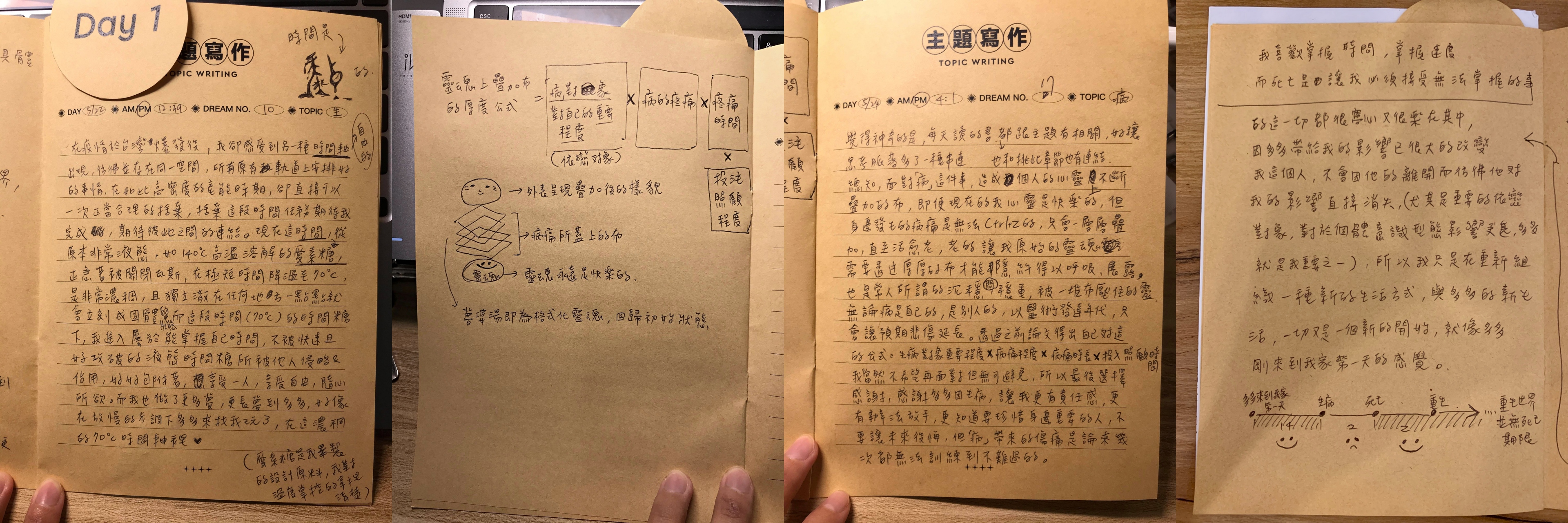
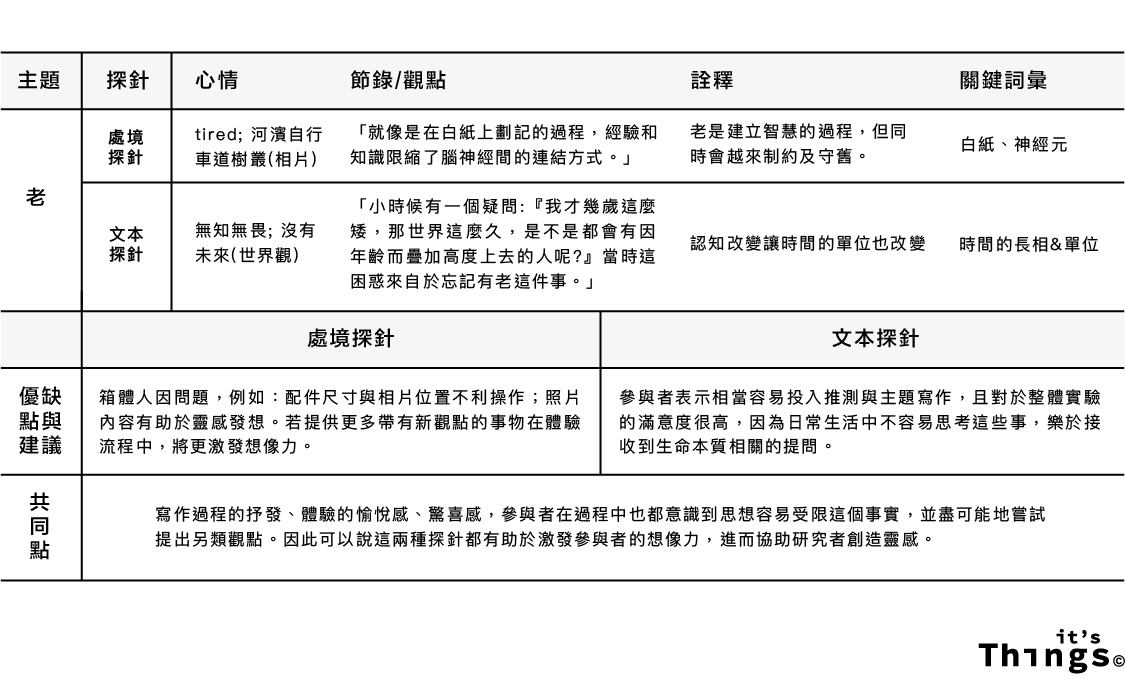
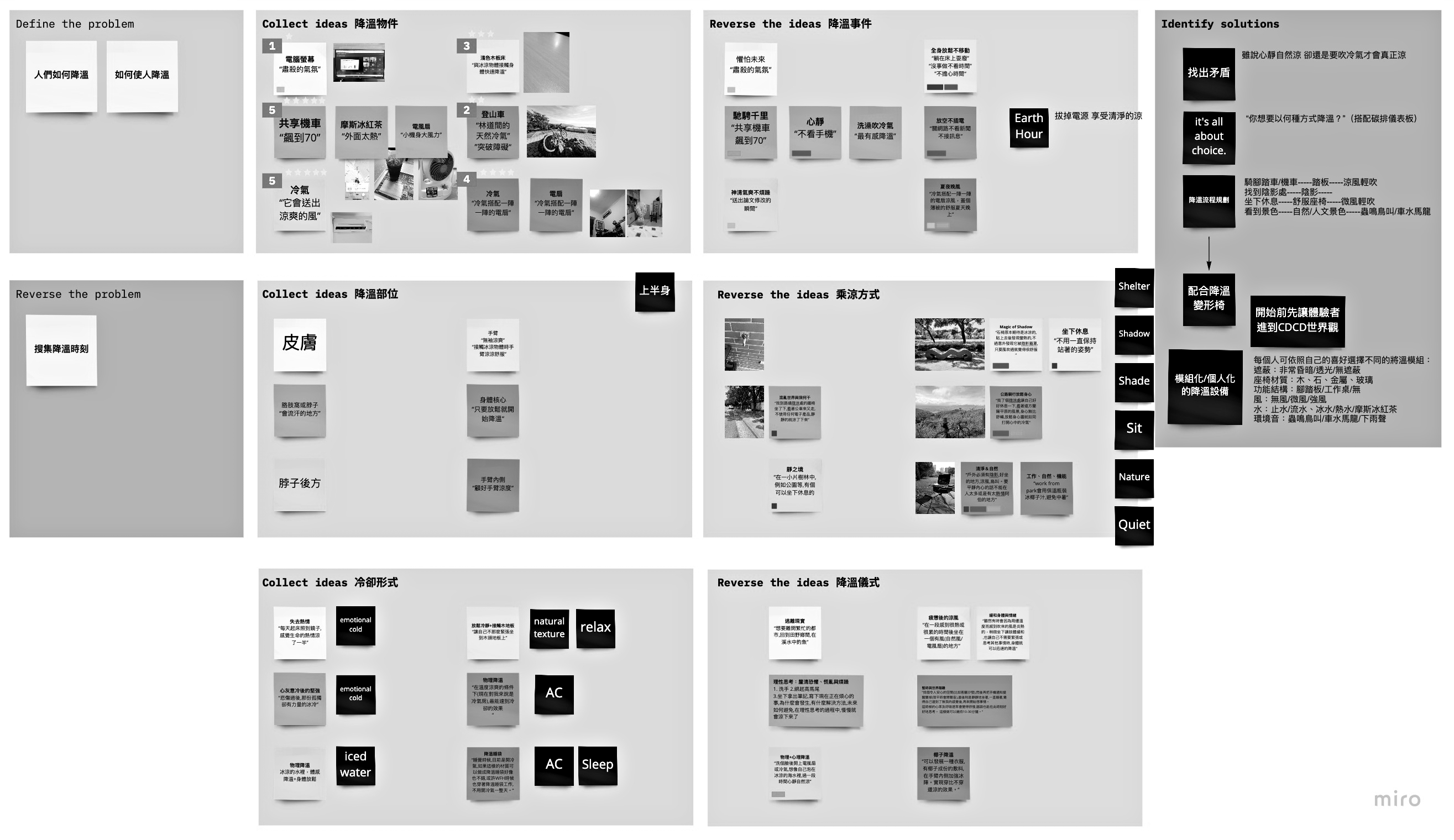
The probe data was analyzed using social science text coding. The two sets of probes were recorded as text, personal interpretations, and keywords, and their commonalities and pros and cons were summarized. A second speculative probe was performed, integrating the strengths of the previous fictional text probe. A Discord online server was created to collect data from participants on cooling events in their lives, which inspired subsequent interactive design creations. For example, participants' mention of "sitting down" to cool down led to a focus on the "ride experience" in the follow-up study. Various techniques such as bicycling or turning on the air conditioner were employed to achieve cooling, resulting in the design of interactive experiences that feature "choices full of contradictions."
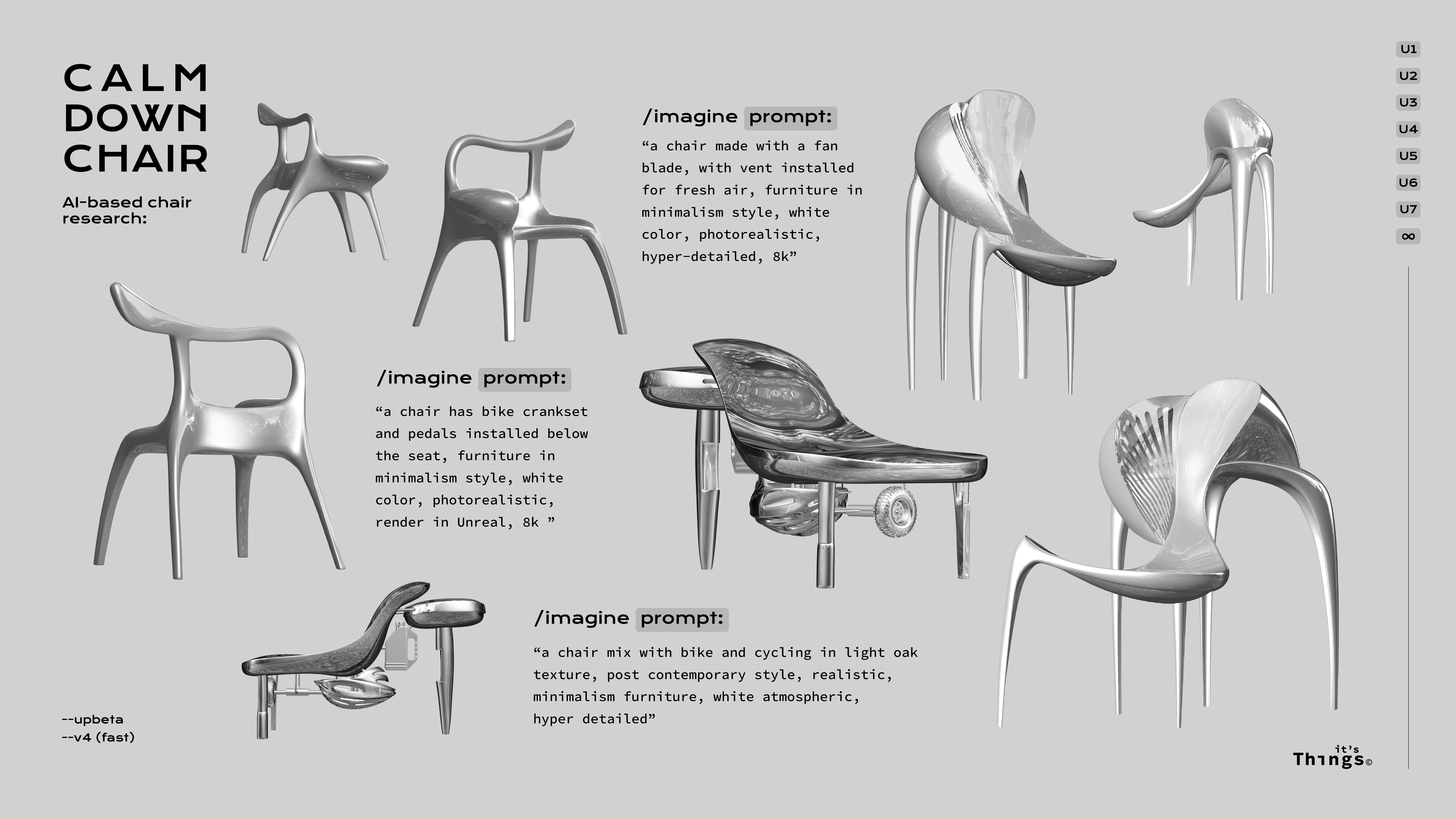
In the second probe, AI image generation technology was utilized to transform text. The data was interpreted using Midjouney as a conversion tool to free personal imagination, comparable to prototyping in the design process and serving as an inspirational tool for generating more ideas.
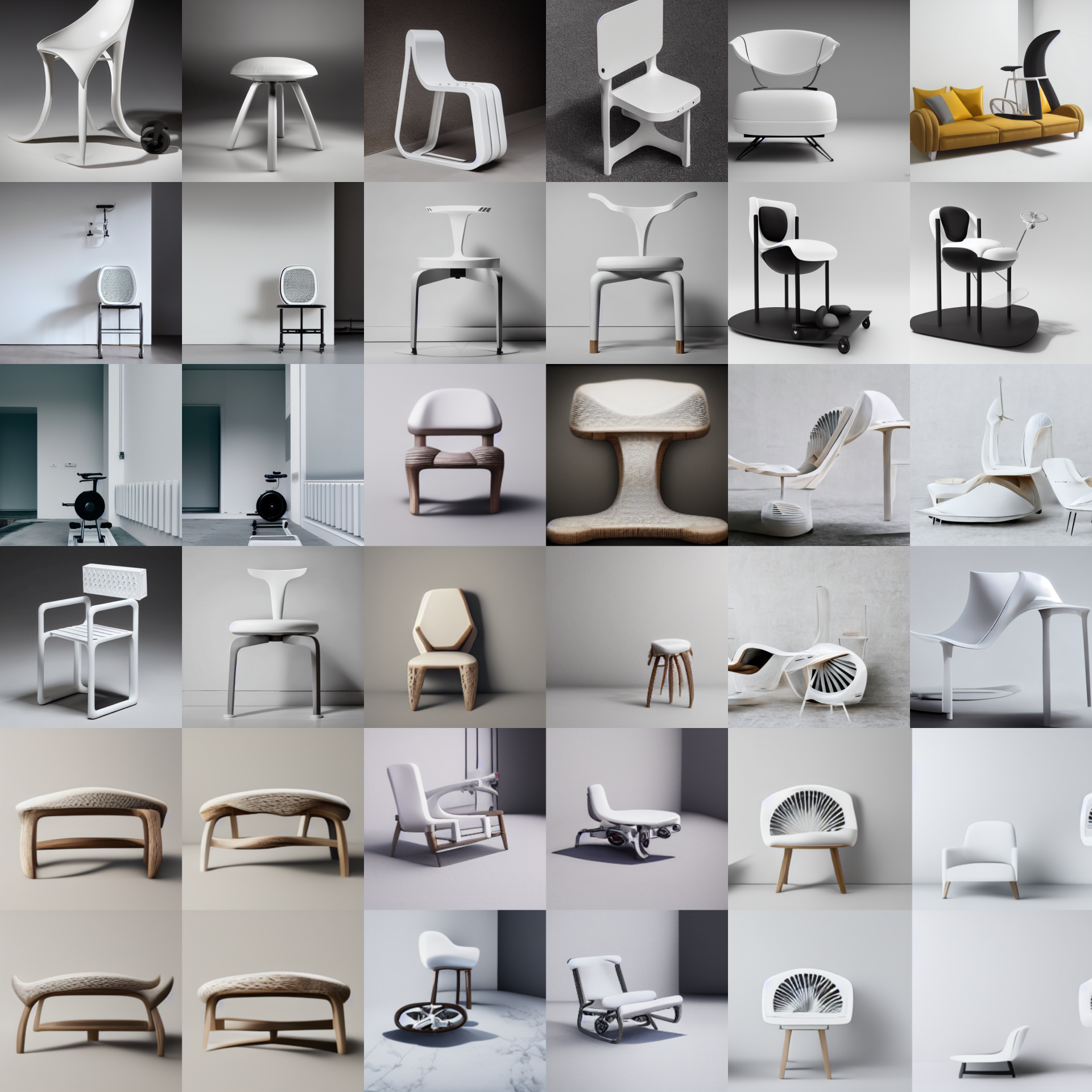

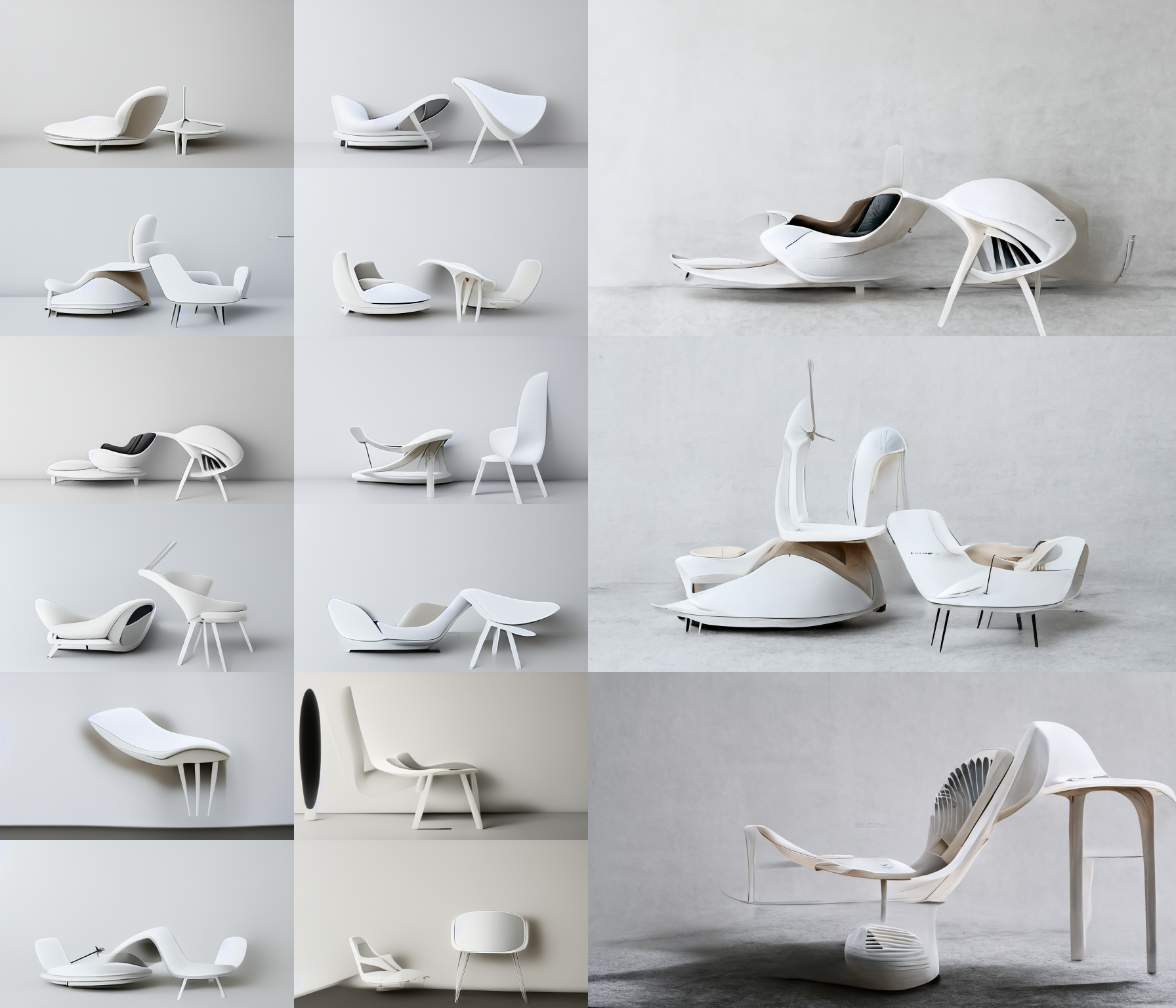

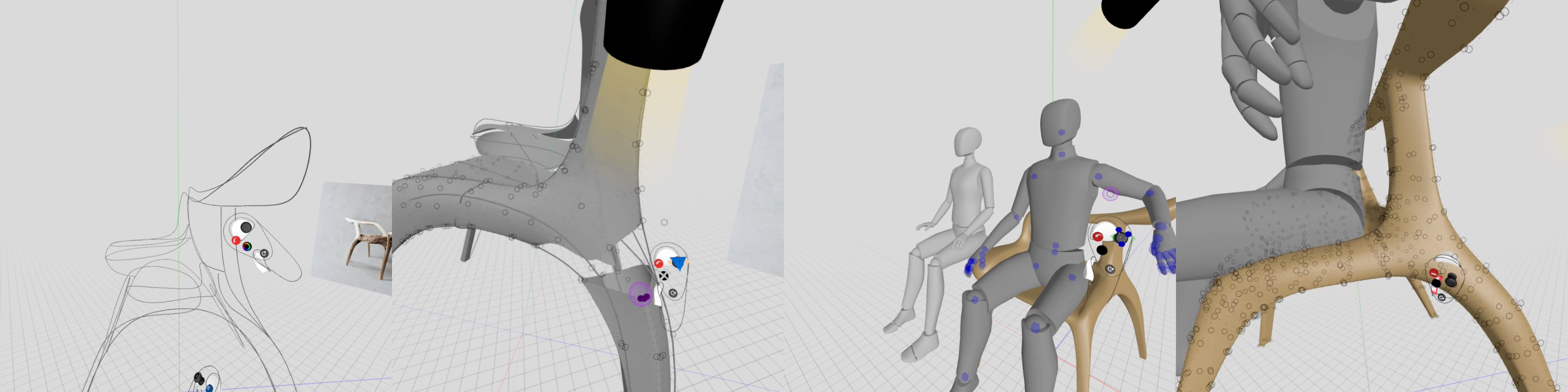
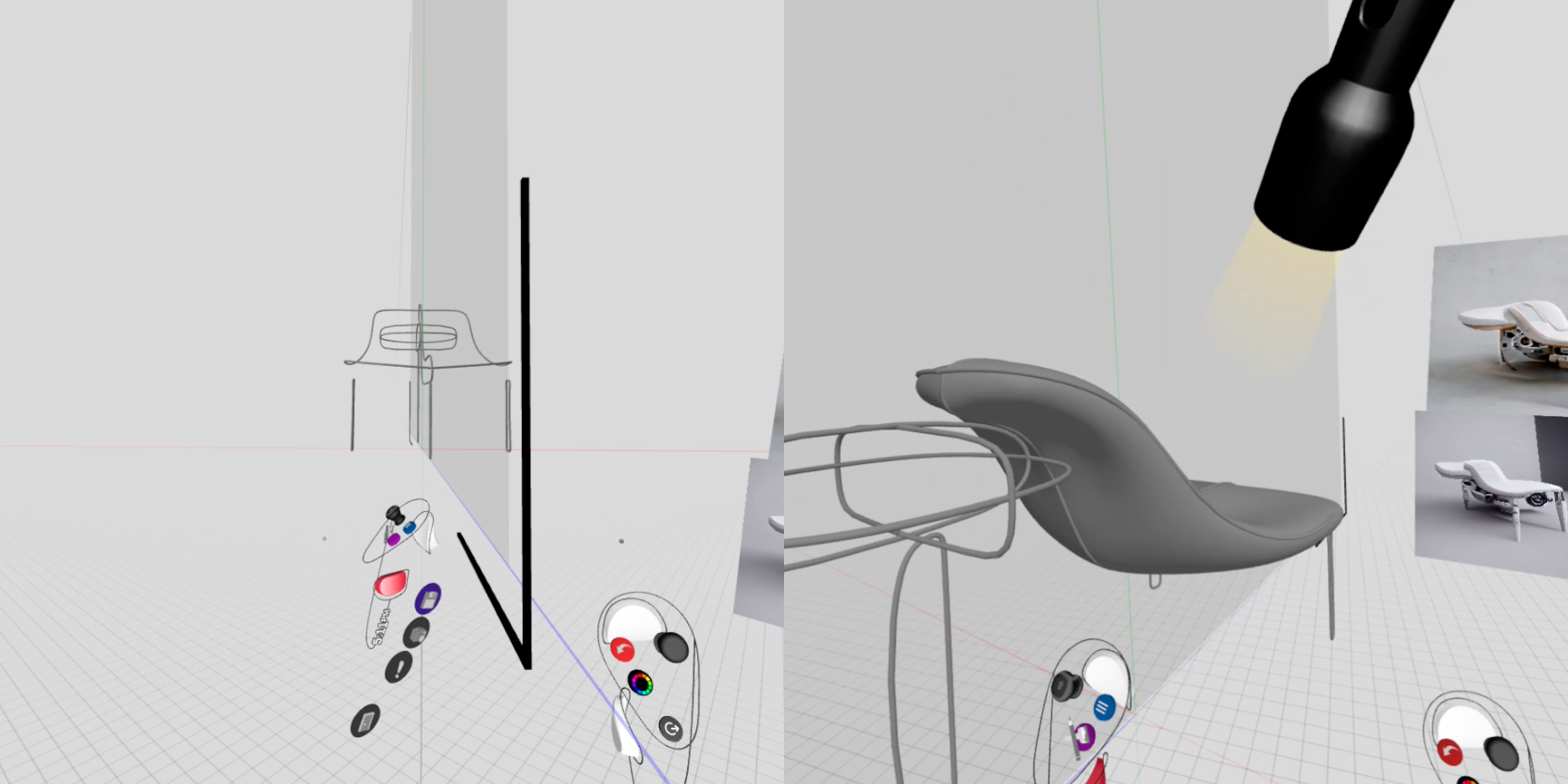
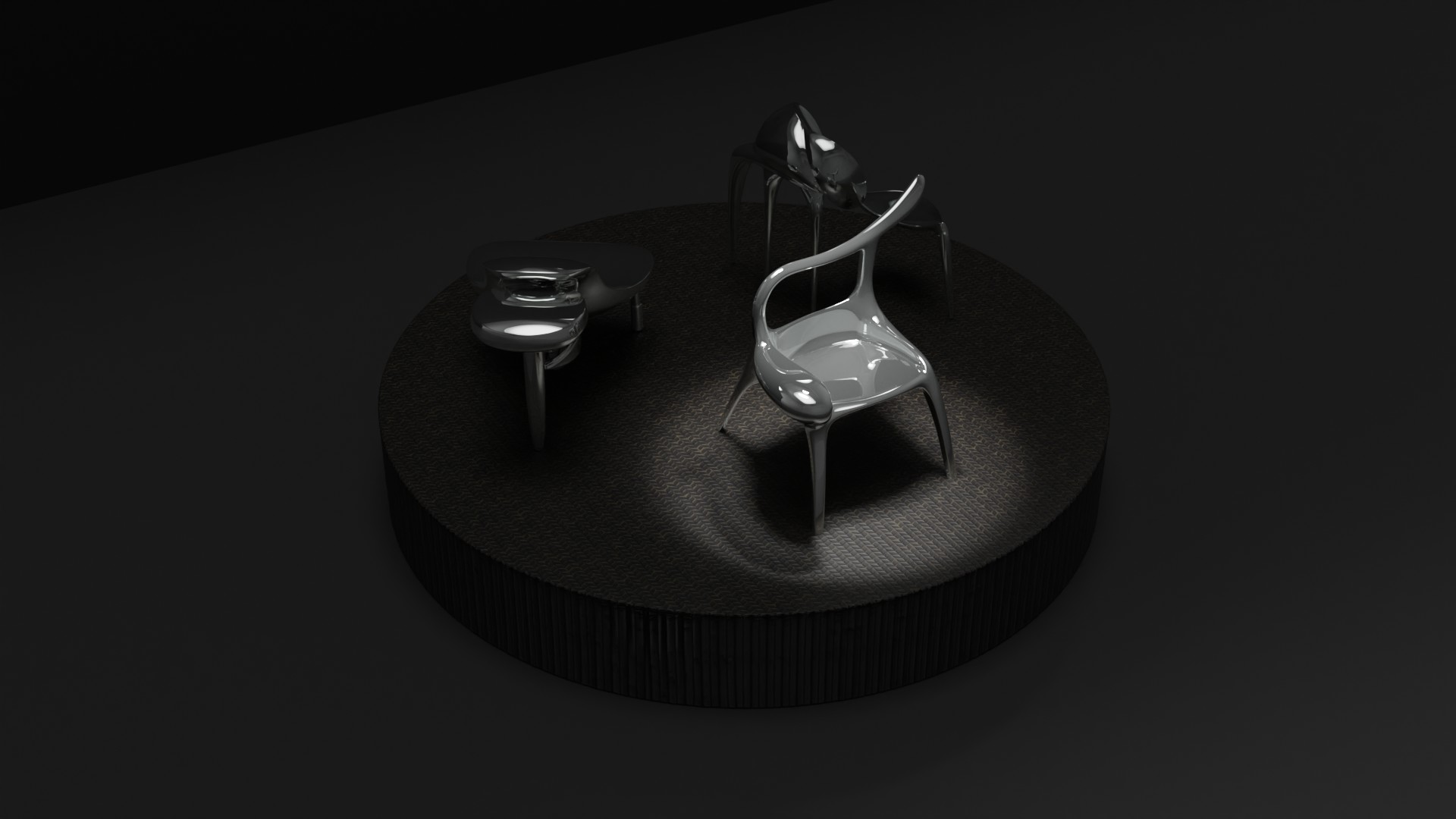
Initially, the text results of the probe were extracted as keywords and input into Midjourney, yielding various chairs with distinct shapes. Subsequently, the three most representative chairs were selected based on their appearance and style. Finally, their appearance was simulated to construct a three-dimensional 3D model, which became one of the primary elements in the final interaction design.
Commencing with the chair, the world view of the previous probe on cooling technology was expanded, and plans were made for the corridor leading to the cooling laboratory, the UX of seat selection, the scene that gradually changes over time, and the wristband that "mimic" tracks the values of body and environment. These designs aimed to make the fictional story and speculative design more convincing and enable participants to realize that environmental changes may be linked to their own well-being.
Calm Down Wristband, detects the body and environment values in real-time, imitatively.

To evaluate the creative outcomes, I employ contextual interviews that entail asking participants to recollect and describe their experience process, followed by gradually comprehending the significance of their choices. The primary focus is on open-ended questions, and the original ideas of the work are avoided during this process. The goal is to determine whether the participants can recognize the underlying metaphors themselves or envisage more captivating possibilities.
To evoke empathy, this study categorizes some of the advantages and disadvantages of the interactive speculative design creation. In terms of promoting engagement, the movement of entities, such as walking or turning around, aids in calming participants. Additionally, the dynamic simulation of objects piques participants' curiosity regarding what changes will ensue next, akin to humans' interest in observing nature. Thirdly, futuristic shapes, especially when they contrast significantly with the environment, can also heighten participants' interest in the overall experience.
On the other hand, participants may find it difficult to identify with the experience when they notice that the physical seat does not match the style of the virtual seat precisely. Therefore, in the future, it may be worthwhile to explore ways to transcend physical limitations or consider methods for compensating for any disparities. The second point is that participants seem to be relatively indifferent to the changes in values detected by the wristbands. They don't seem to believe that those numbers are related to the overall experience. However, this may be due to the limited amount of time available, leaving them with insufficient opportunity to carefully observe the changes in the environment.
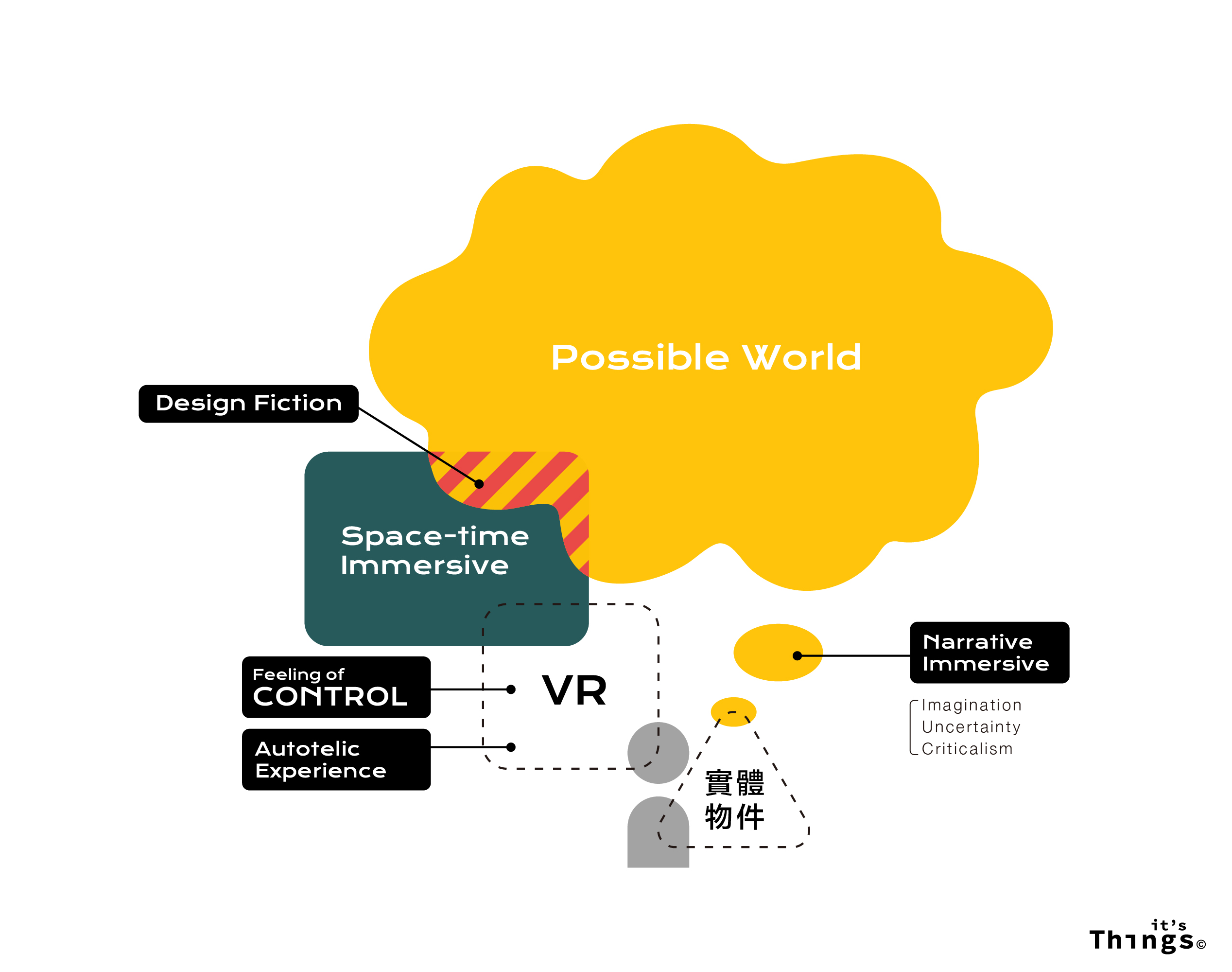
The next paragraph discusses the evaluation of the results of Immersive Speculation in response to the research question of how to apply VR interactive experience to speculative design. This study identifies three "multiples" that are essential to consider, namely multi-level, multi-choice, and multi-question. The first point refers to the multiple stimuli in the fictional presentation, such as the digital, 3D, or 4D versions of the experience. Integrating multiple sensory elements into the story will create a deeper and more engaging experience for the audience. For instance, the combination of physical fan wind and VR simulated sea water in the interactive design work made participants reflect on the importance of protecting the ocean. The second "multiple" highlights the importance of providing as many options in the interaction process. This not only represents the personal characteristics of the participants but also strengthens their understanding of the experience. The third "multiple" emphasizes the importance of constant questioning and discussion after the experience, which encourages participants to think more deeply and make further speculations.
This study highlights three key aspects of using cultural probes in speculative design research. Firstly, although the design of the probe may not focus on specific forms, the output's richness of data and accuracy of responses will depend on various factors, such as how well the speculative design is implanted and how the probe is packaged and operated. For instance, physical probes generally produce more accurate inference than online ones, but online probes carried on mobile phones can aid in accurate responses. Secondly, relevant literature and works should be repeatedly studied to inform the creation of cultural probes for speculative design. An example of this is the combination of physical fans and seats inspired by Tao Yalun's work "Surreal World" and the concept of moving real bodies with VR. Lastly, AI image generation is used to convert keywords into images and interpret and select inspirations that can be extended into design creations. The results not only interest participants but also provoke more imagination about the issue.
Finally, this study proposes three recommendations for Empirical Speculative Design. Firstly, "empirical" emphasizes the sensory immersion that is intertwined with multiple objects. Participants can bring their own experiences through interaction with different objects and create their own universe. Although the setting of this universe may not be the same as the creator, by jumping into the experience and making various choices, they can get a richer experience. Secondly, it's the current challenges for Empirical Speculative Design. For example, in VR interactive design, there are certain thresholds for general designers in the production of Unity projects, and adopting effective research tools can help shorten the testing process. Finally, Empirical Speculative Design is a forward-looking field, particularly as AI-assisted human-machine communication becomes more common. In this context, instead of learning how to create/code, designers should more focus on thinking about what meaningful and rich experiences to create.